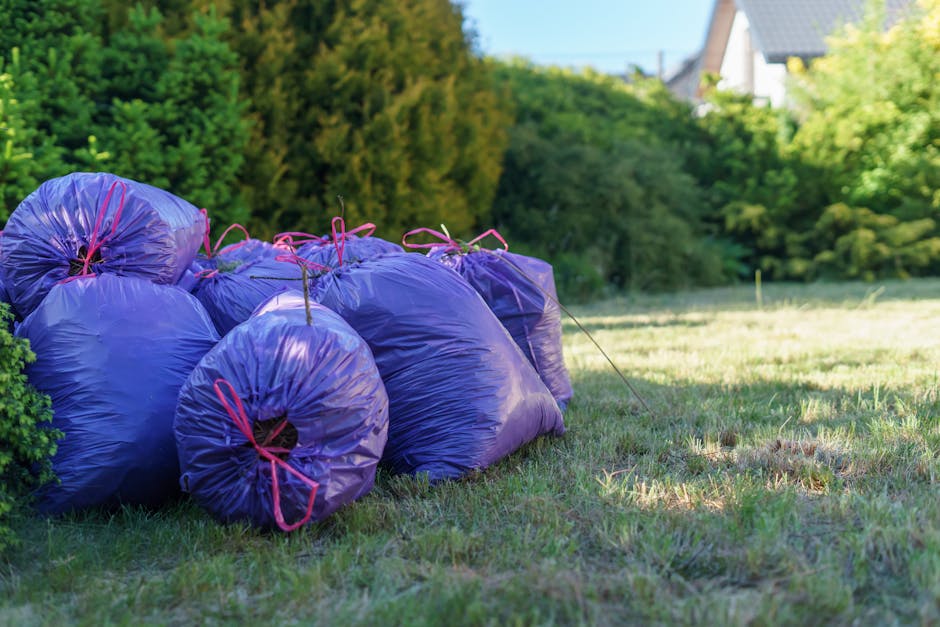
Garden rubbish collection guide for Coney Hall estate
If your garden is looking more like a holding pen for hedge cuttings, broken pots, old soil bags, and the odd rotting bit of timber, you are not alone. The Garden rubbish collection guide for Coney Hall estate is here to make the whole job feel less awkward, less messy, and a lot more manageable. Whether you are tidying after a weekend cut-back, clearing a full overgrown border, or just trying to get rid of a stubborn pile that has been staring at you for weeks, the right approach saves time and avoids hassle.
In a place like Coney Hall estate, where outdoor space matters and neighbours notice when front drives or shared edges start to fill up, garden waste collection is not just about disposal. It is about keeping access clear, staying safe, and getting the work done without turning the place into a muddy shuffle of bags and branches. This guide walks you through what garden rubbish collection involves, how it works in practice, what to avoid, and how to choose the smartest method for your situation.
For readers who want a broader service overview, you may also find the main garden clearance service useful, especially if the job is bigger than a simple bag-and-go collection. If you are comparing wider household or mixed waste options, waste removal and recycling and sustainability information can help you make a cleaner, more practical choice.
Table of Contents
- Why Garden rubbish collection for Coney Hall estate Matters
- How Garden rubbish collection for Coney Hall estate Works
- Key Benefits and Practical Advantages
- Who This Is For and When It Makes Sense
- Step-by-Step Guidance
- Expert Tips for Better Results
- Common Mistakes to Avoid
- Tools, Resources and Recommendations
- Law, Compliance, Standards, or Best Practice
- Options, Methods, or Comparison Table
- Case Study or Real-World Example
- Practical Checklist
- Conclusion
- Frequently Asked Questions
Why Garden rubbish collection for Coney Hall estate Matters
Garden rubbish builds up quickly. One hour of pruning can turn into three bags of clippings, a pile of twigs, a few roots, and a wheelbarrow of soil that suddenly feels heavier than it should. Left too long, that waste starts to take over paths, block access, and attract damp, smells, and insects. Not ideal, and frankly not very pleasant to walk past first thing in the morning.
For Coney Hall estate, the practical side matters even more. Many gardens here are part of homes with tidy frontages, shared access routes, or narrow side passages. A heap of cuttings on a drive can get in the way fast. If the waste is bulky, heavy, or mixed with other materials, a careless DIY pile-up can lead to mess on paving, scratching, trips, and unnecessary lifting strain. Nobody wants to drag thorny branches through a hallway. Been there, regretted it.
There is also a wider environmental angle. Garden waste is often suitable for recycling or composting when it is kept clean and separated. That means careful sorting is not just good manners; it can improve recovery and reduce what ends up being treated as general rubbish. If sustainability matters to you, it is worth looking at how a provider handles sorting and recovery before you book.
Expert summary: good garden rubbish collection is less about "taking stuff away" and more about planning the waste, separating it properly, and moving it safely from garden to vehicle without creating a bigger job than the one you started with.
How Garden rubbish collection for Coney Hall estate Works
Most garden rubbish collection jobs follow a simple pattern, but the details matter. First, the waste is assessed. That means looking at volume, access, weight, and what type of material is involved. Fresh grass cuttings are very different from wet soil, and both are different again from branches, fence panels, or a dismantled shed. The mix determines the time, equipment, and disposal route.
Then comes sorting. Clean green waste can often be kept separate from general garden junk such as broken plant pots, old garden furniture, rusted tools, or treated timber. This is where a sensible provider earns its keep. If everything is thrown into one heap, you lose recycling opportunities and often make loading harder than it needs to be.
Collection itself is usually straightforward: the team loads waste by hand, with sacks, bins, or a vehicle suited to the job. For tight access in estate-style properties, smaller vehicles and careful handling can make a real difference. If the waste is coming from a garage, outbuilding, or loft as well as the garden, it may sit alongside a separate service such as garage clearance or loft clearance, depending on what is involved.
After collection, the waste is taken for disposal or recycling through the proper channels. In practice, that means a focus on recovery where possible, with non-recyclable material handled in line with accepted waste management standards. The best outcomes come from clean separation and clear communication from the start.
Key Benefits and Practical Advantages
There are the obvious benefits, of course. Your garden is clear, your paths are usable again, and the pile of branches is no longer giving you a little daily guilt-trip. But the real advantages go further than that.
- Less physical strain: You avoid repeated lifting, dragging, and lifting again. Wet hedge trimmings are sneaky heavy.
- Cleaner outdoor space: No soggy bags sitting out for days, no scattered clippings blowing around on a windy afternoon.
- Better presentation: Especially useful for front gardens, rental homes, and properties being prepared for sale or let.
- Improved safety: Clearing debris reduces trip hazards, sharp edges, and blocked access.
- More efficient recycling: Clean garden waste is often easier to recover responsibly.
- Less disruption: A planned collection is usually faster than making multiple trips yourself.
There is also a decision-making benefit that people sometimes miss. Once the waste is out of the way, it becomes easier to see what your garden actually needs next. Do you need a simple tidy-up, a full border reset, or maybe a bigger clear-out involving old fencing, broken furniture, and mixed debris? A clean site gives you clarity, and that is worth a lot.
If your project includes items beyond standard green waste, you may also want to look at furniture disposal for outdoor seating or broken pieces, and furniture clearance if the job spills into patio or conservatory areas. Small crossover, yes, but very common in real life.
Who This Is For and When It Makes Sense
This kind of collection makes sense for a wide range of people. It is not just for huge garden renovations or dramatic overgrown-jungle situations, though those certainly happen. More often, it is for ordinary, ongoing jobs that simply got a bit out of hand.
- Homeowners clearing up after seasonal pruning or weekend gardening.
- Busy families who have a few weeks of hedge trimmings and no time for repeat trips to a tip.
- Older residents who want the job done safely without lifting heavy sacks.
- Landlords or letting agents preparing a property between tenancies.
- Gardeners and landscapers needing reliable clearance after soft landscaping or cut-backs.
- Small businesses with outdoor areas, courtyards, or shared grounds.
It also makes sense when the waste is awkward. Wet soil in buckets, thorny branches, uneven piles of roots, and mixed debris all take more effort than people expect. Truth be told, the difference between a tidy collection and a frustrating afternoon is often just having the right plan before you start stacking bags.
If your property includes mixed-use waste, such as office-style outdoor bins or service-area debris, you may need something broader like business waste removal or office clearance. Not every clearance fits neatly in one box, and that is fine.
Step-by-Step Guidance
Here is the most practical way to handle a garden rubbish collection in Coney Hall estate without making it harder than it needs to be.
- Walk the garden first. Check what needs to go: green waste, soil, timber, broken pots, old compost bags, or larger items.
- Separate the materials. Keep pure green waste apart from mixed rubbish where possible. It saves sorting time later.
- Identify access points. Think about gates, side passages, steps, and whether a vehicle can park close enough.
- Bag or bundle safely. Use strong sacks for light waste and tie branches into manageable bundles. Do not overfill; the bag only looks okay until you try to lift it.
- Protect surfaces. If the route crosses paving or indoor flooring, put down something to avoid mud and scratches.
- Choose the right collection method. Small tidy-up, one-off load, or larger clearance? Match the method to the waste volume.
- Confirm what is included. Ask whether loading, labour, and disposal are all covered, especially for mixed waste.
- Keep the site clear. Move pets, garden tools, and delicate planters out of the way before collection day.
- Final sweep. Check for sharp twigs, screws, broken ceramic pieces, and stray moss or soil near steps.
A small but useful tip: if the waste is damp, let it drain before bagging where practical. A soggy heap weighs more and tears bags more easily. Easy to say, less fun when you are halfway down the path and the bottom gives way.
Expert Tips for Better Results
Over time, you notice that the smoothest garden clearances usually have a few things in common. Nothing fancy, just sensible habits.
- Cut long branches down first. Shorter lengths are much easier to stack and carry.
- Keep soil separate. Soil adds heavy weight and can change the disposal route.
- Do not mix sharp metal with green waste. Broken shears, old nails, and wire should be treated carefully.
- Use rigid containers for loose rubble. Lightweight bags split when filled with sharp-edged material.
- Plan around the weather. Rain turns piles into heavy, messy loads. A dry morning can make the whole job feel two-thirds easier.
- Leave a clear line to the collection point. Even a tidy pile becomes awkward if there is nowhere easy to set it down.
Another practical point: if you think the job might include more than one kind of waste, say so early. A pile that starts as "just hedge cuttings" can turn out to hide old sleepers, cracked paving, and a half-buried planter. Not unusual at all. The honest version from the start usually saves time later.
And yes, sometimes the simplest tip is the best one: do not wait until the garden has become a weekend-long ordeal. Small, regular clear-outs are easier on your back, your patience, and your driveway.
Common Mistakes to Avoid
Most problems with garden rubbish collection come from rushing, underestimating volume, or mixing materials that should stay apart.
- Overfilling bags: A bag that is too heavy is hard to move and more likely to split.
- Mixing green waste with general rubbish: This can reduce recycling options and complicate disposal.
- Forgetting about access: Narrow gates, stairs, and parked cars can slow everything down.
- Leaving waste exposed too long: Wet cuttings smell, seed heads spread, and the pile starts to wander across the garden in wind.
- Ignoring sharp or hazardous items: Broken glass, rusty metal, and treated timber need more care than standard clippings.
- Assuming every clearance is the same: A small lawn tidy is not the same as clearing a full overgrown border with roots and heavy soil.
One surprisingly common mistake is not checking what happens after collection. If you care about responsible disposal, ask how the waste is handled. It is a fair question. You are not being awkward; you are being sensible.
Tools, Resources and Recommendations
You do not need a huge arsenal to manage garden rubbish well, but a few practical tools make a clear difference.
| Item | Best for | Why it helps |
|---|---|---|
| Heavy-duty garden sacks | Leaves, small cuttings, light mixed green waste | Easy to fill, stack, and move without tearing too quickly |
| Tarpaulin or ground sheet | Collecting clippings in one place | Keeps waste contained and makes loading simpler |
| Secateurs and loppers | Branches and thicker stems | Turns awkward lengths into manageable pieces |
| Wheelbarrow | Transporting waste across the garden | Reduces repeated carrying and helps protect the lawn |
| Gloves with grip | Thorns, rough timber, damp waste | Improves safety and comfort |
| Dustpan and brush or hand rake | Final tidy-up | Useful for collecting the small bits that are easy to miss |
For slightly larger or mixed jobs, a broader service can be a better fit than trying to DIY the lot. House clearance can be relevant where garden waste is part of a wider property clear-out, while home clearance works well if indoor and outdoor items are being removed together. The right service choice often comes down to the shape of the job, not just the volume.
If you want to understand service standards and what a reputable provider should handle carefully, the pages on health and safety, insurance and safety, and payment and security are worth a look. They help set expectations before anyone turns up with a truck and a strong opinion about how to carry a thorny bundle.
Law, Compliance, Standards, or Best Practice
Garden rubbish collection in the UK should be handled with normal waste duty of care in mind. In plain English, that means waste should be transferred to someone who is properly set up to handle it, and it should be disposed of or recovered responsibly. If you are hiring a service, it is sensible to ask how your waste is managed and whether the provider follows proper procedures for transport and disposal.
For householders, the most practical compliance points are straightforward:
- Do not leave waste where it blocks public access or creates a nuisance.
- Keep green waste and general rubbish separate where possible.
- Do not include hazardous items unless the service explicitly accepts them.
- Make sure the collection method is suitable for the material and the location.
Best practice also means being careful with treated timber, sharp metal, and soil contaminated by non-garden material. If you are not sure whether something belongs in a green waste pile, treat it as mixed waste until you confirm otherwise. That sounds cautious, and it is, but cautious is better than messy.
On the service side, it helps to choose a company that is transparent about pricing, waste handling, and safety. If you want to understand the provider's approach a bit more, their about us page may offer useful background, and pricing and quotes can help with planning. No drama. Just clarity.
Options, Methods, or Comparison Table
There is no single best method for every garden. The right option depends on volume, access, time, and how mixed the waste is. Here is a straightforward comparison to help you decide.
| Method | Best for | Pros | Limitations |
|---|---|---|---|
| DIY bag-and-tip approach | Very small tidy-ups | Can be cheap if you already have transport | Time-consuming, heavy lifting, multiple trips |
| Skip-style solution | Larger ongoing clearances | Useful when lots of waste is generated over time | Needs space, planning, and careful loading |
| Professional garden rubbish collection | Most domestic and mixed garden jobs | Fast, convenient, less lifting, cleaner process | Depends on access and exact waste type |
In many Coney Hall estate situations, professional collection ends up being the most balanced option. Not because it is flashy, just because it removes the awkward bits: heavy bags, tight access, and sorting the pile after a long day. If the garden waste is part of a broader clearance, a combined approach can be even more efficient.
Case Study or Real-World Example
Picture a typical spring tidy in a Coney Hall estate garden. The hedge has grown faster than expected, the rose bed needed cutting back, and a few old planter boxes have cracked in the frost. There is also a small pile of soil from a border reshaping job. Nothing dramatic, but enough to create a proper mess if it is left to "sort itself out".
The homeowner starts by separating the hedge clippings from the planters and soil. Branches are cut into shorter lengths, the green waste is bundled, and the broken pots are kept in a separate container. The collection point is placed near the driveway so loading can happen quickly. Because the access route is clear and the waste is pre-sorted, the collection is faster, tidier, and more likely to be handled in a way that supports recycling.
What made the difference? Planning. Not perfection, just a little order before the pile got bigger. And that is often the real lesson. Once you slow down for ten minutes at the start, the rest of the job stops fighting back.
Practical Checklist
Use this checklist before collection day or before you start moving waste around the garden.
- Green waste is separated from general rubbish.
- Branches are cut into manageable lengths.
- Soil, rubble, and compost are identified and set aside if needed.
- Sharp items have been removed or flagged.
- The access route is clear of tools, toys, and pots.
- Weather conditions have been considered.
- Bags are not overfilled.
- Any mixed or bulky items have been noted in advance.
- The final loading point is easy to reach.
- You know which service is the best fit for the waste type.
If the garden waste is part of a bigger project, it may be worth comparing with services such as builders waste clearance for landscaping rubble or garage clearance if tools, storage items, or old outdoor equipment are being removed at the same time. A mixed job needs a mixed-plan mindset. Simple as that.
Before you book, you can also review the company's terms and conditions and complaints procedure so there are no surprises. And if you care about what happens after collection, their recycling and sustainability page gives a clearer sense of the environmental approach.
Conclusion
A good garden rubbish collection in Coney Hall estate should feel orderly, safe, and surprisingly uncomplicated. The work is usually easier once you separate the waste, think about access, and choose the right collection approach for the volume you have. That applies whether you are dealing with a small spring clear-up or a bigger garden reset after months of growth.
Most problems come from rushing. Most wins come from preparation. That is the honest version. If you take a little time at the start to sort, stack, and think through the route out, you will save yourself a fair bit of trouble later. And the garden feels better almost immediately, which is a nice feeling on its own.
If you are ready to move from piles to proper space again, the next sensible step is to get a tailored quote and compare the best option for your waste type, access, and timing.
Get a free quote today and see how much you can save.
There is something quietly satisfying about seeing a garden breathe again. Less clutter, more light, and a bit more calm. Small thing, maybe. But you notice it.
Frequently Asked Questions
What counts as garden rubbish in Coney Hall estate?
Garden rubbish usually includes grass cuttings, hedge trimmings, leaves, branches, weeds, roots, soil, dead plants, and broken outdoor items such as planter pots or damaged fencing. If it came from the garden and needs to go, it likely falls into this category, though mixed items may need separate handling.
Can wet garden waste be collected?
Yes, wet waste can usually be collected, but it is heavier and messier than dry material. Damp clippings and soil can also tear bags more easily. If possible, let waste drain first or keep it contained in stronger sacks or bundles.
Do I need to sort green waste from other rubbish?
It is strongly recommended. Clean green waste is easier to recycle or recover, while mixed rubbish may need different disposal handling. Sorting at the start often reduces cost, time, and confusion later on.
What happens to the garden waste after collection?
That depends on the material and the provider's process. In many cases, green waste is taken for recycling or composting routes, while mixed or contaminated waste is handled separately. If environmental handling matters to you, ask before booking.
Is this service suitable for small front gardens?
Yes, absolutely. Small front gardens often generate more waste than people expect, especially after hedge cutting or seasonal tidying. A small collection can be quicker and less disruptive than trying to move it yourself in stages.
How do I know whether I need garden clearance or waste removal?
If the job is mainly garden material, garden clearance is the natural fit. If it includes mixed household items, bulky rubbish, or multiple waste types, a broader waste removal service may be better. Think of it as matching the service to the shape of the mess.
Can thorny branches and heavy roots be taken away?
Yes, but they should be handled carefully. Thorny material is best bundled securely, and roots or large branches may need cutting down first. It is one of those jobs where a bit of prep saves a lot of scratching.
Will the collection team load the waste for me?
In many cases, yes, loading is part of the service, but this should always be confirmed in advance. Access, weight, and the type of waste can affect how the job is carried out, so clarity before the appointment is useful.
What if my garden waste also includes old furniture or shed items?
That is quite common. Outdoor furniture, broken tools, or shed contents may need separate handling or a wider clearance plan. For example, outdoor seating may sit closer to furniture disposal than garden waste alone.
How should I prepare my garden before collection day?
Sort the waste, cut large branches down, keep access clear, and make sure any loose sharp or heavy items are identified. A quick tidy of the route to the collection point makes a real difference, especially on narrower estate properties.
Is it better to book a collection or do several trips myself?
For small amounts, a DIY approach can work. For larger, heavier, or mixed waste, a collection service is often more efficient and less physically demanding. If you value your time and your back, the answer is usually obvious by the second or third bag.
Can I book a same-day or urgent garden clearance?
That depends on availability, waste volume, and access. Urgent clearances are sometimes possible, but it is best to contact the provider as early as you can. The more detail you give, the easier it is to confirm what can realistically be done.
What is the most common mistake people make with garden rubbish?
The biggest mistake is underestimating the weight and volume. A few branches and sacks of clippings can become a very awkward load if everything is wet, mixed, or overfilled. The second mistake is not checking access before starting. That one catches people out all the time.